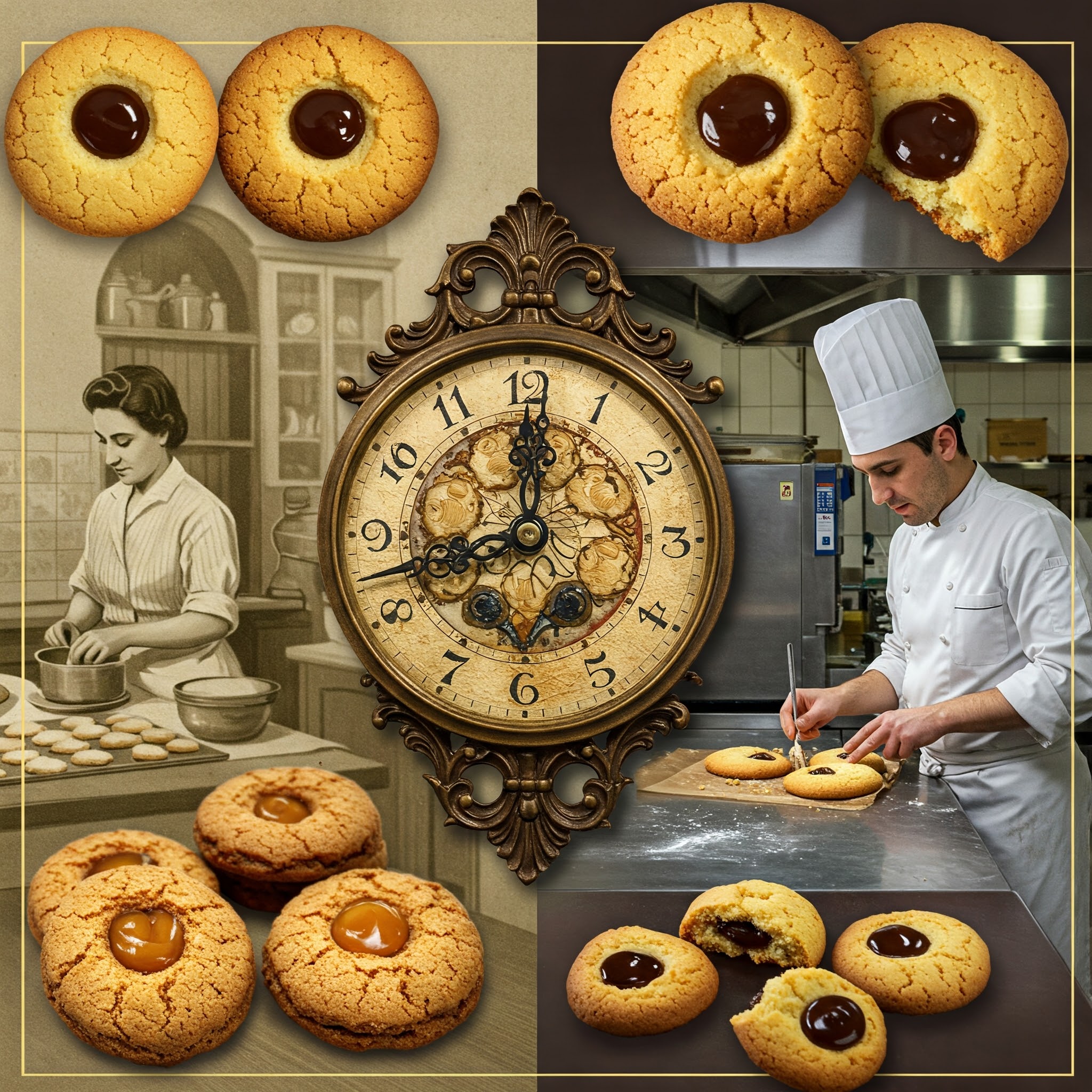
Italian pastry-making has undergone profound transformations from the end of the Second World War to the present day. A journey through decades of economic change, new ingredients and eating habits that have shaped the sweets we love.
The Fifties: Austerity and Hope
In the post-war years Italy went through a period of reconstruction, with per-capita income cut in half. Pastry was a luxury not always within reach, with simple preparations made from easily available ingredients. Yet already in the Fifties a timid economic recovery was in sight: the Marshall Plan drove a 35% growth in production in 1952. The first industrial confectionery products — Motta panettone, Ambrosoli sweets — marked the beginning of a change.
The Economic Boom and Its Sweet Influence (1960s-70s)
The economic miracle radically transformed the country. Greater spending power translated into higher consumption of sweets and a wider variety of preparations. The pleasure of eating well spread: the "merenda" was born as an eating habit, and industrial biscuits and snacks began to appear on breakfast tables.
The Evolution of Ingredients
Fats: from Butter to Margarine and Back
Traditionally the protagonist of Italian pastry, butter gave way to margarine in the industrial era for convenience and cost. Today we are witnessing a return to butter for its authentic flavour, especially in artisanal and high-end pastry.
Sweeteners
Sugar, increasingly affordable in the post-war years, saw the introduction of industrial syrups. The current trend is a return to traditional sugar and natural sweeteners such as honey and agave syrup, with an overall reduction in quantities.
Flours
From traditional 00 flour came the shift to Manitoba for large leavened cakes, up to today's diversification with ancient grains, chestnut and legume flours. In Piedmont, cornmeal (meliga) for Paste di Meliga remains an indispensable ingredient of identity.
A Focus on Piedmontese Pastry
Piedmontese pastry boasts outstanding local ingredients: Piedmont Hazelnut IGP, almonds, Alpine butter, meliga cornmeal. Baci di Dama, Amaretti, Torrone and Paste di Meliga are the expression of an extraordinarily rich territory. Valerio Volpe Pasticceria stands as a custodian of this regional culinary heritage, favouring certified ingredients and family recipes to preserve the authenticity of Piedmontese flavours.
Modern Italian Pastry
Today's landscape is marked by the coexistence of artisanal tradition and innovative techniques, with strong attention to health and sustainability. The concept of "Newstalgia" — familiar flavours of the past made with modern techniques — is the most interesting frontier. The trend towards vegan, gluten-free and reduced-sugar sweets is ever more pronounced, without giving up authenticity of flavour.